Monument Forge supports hands-on STEM learning by introducing students to modern manufacturing technologies such as 3D printing, CNC machining, and digital fabrication. Our goal is to help young learners understand how ideas become real-world solutions through engineering, creativity, and problem solving.
Fabrication shouldn’t be reserved for professionals. These programs are designed to give every student — regardless of background or budget — hands-on experience with the same tools that real builders use every day.
STEM Learning and Maker Education

What Students Learn
3D Printing
Students learn how digital designs can be transformed into real physical objects using additive manufacturing. This lesson introduces the basics of 3D modeling, slicing software, and how 3D printers build parts layer by layer. Participants gain hands-on exposure to the process of turning an idea into a functional prototype while learning about design, problem solving, and modern manufacturing technology.
CNC Machining
Students learn how computers can control machines to precisely cut and shape materials into finished parts. This lesson introduces the basics of Computer Numerical Control (CNC), how digital designs are converted into toolpaths, and how machines follow those instructions to manufacture components. Participants gain an understanding of how modern manufacturing produces everything from equipment parts to custom products while learning about precision, planning, and engineering processes.
Engineering Design
Students learn how engineers approach problems and turn ideas into workable solutions. This lesson introduces the engineering design process, including defining a problem, brainstorming solutions, creating designs, and improving them through testing and iteration. Participants gain experience thinking critically, planning designs, and understanding how creativity and engineering work together to solve real-world challenges.
Prototyping
Students learn how engineers approach problems and turn ideas into workable solutions. This lesson introduces the engineering design process, including defining a problem, brainstorming solutions, creating designs, and improving them through testing and iteration. Participants gain experience thinking critically, planning designs, and understanding how creativity and engineering work together to solve real-world challenges.
Potential Projects
-
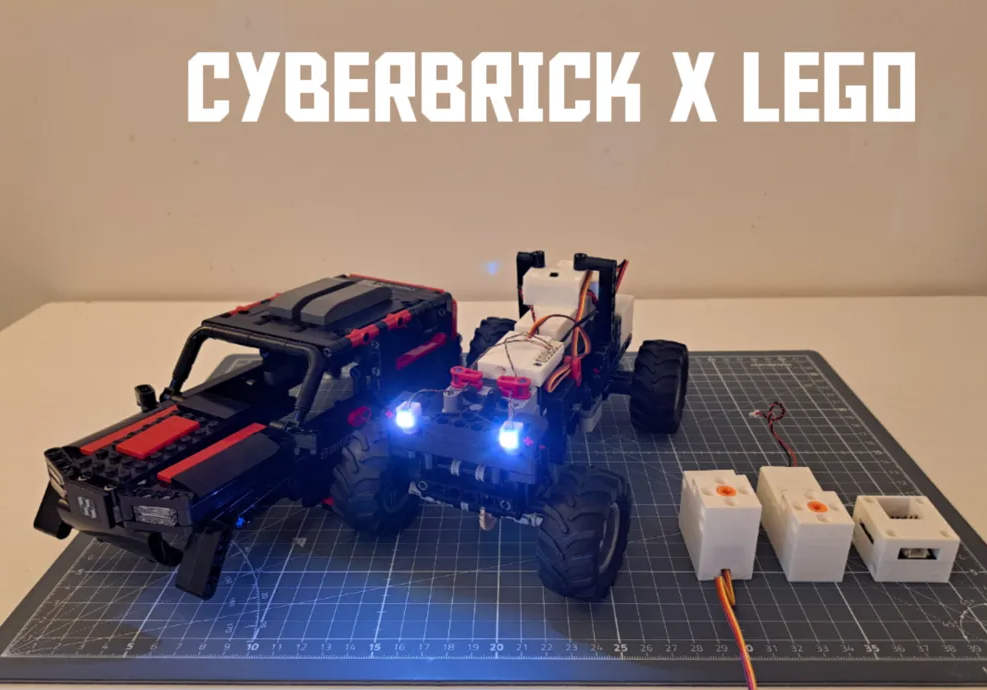
![A LEGO and Cyberbrick themed robot model built with LEGO and Cyberbrick components, placed on a cutting mat, with wires and batteries nearby, and the text 'CYBERBRICK X LEGO' above.]()
CyberBrick x Lego example Set
-
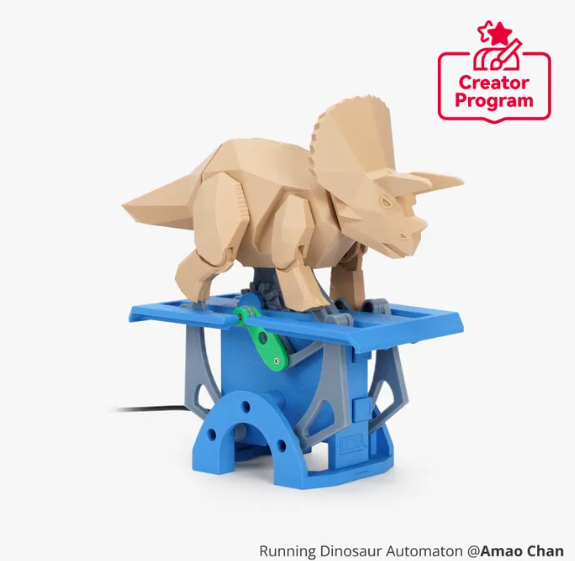
![A wooden dinosaur model mounted on a blue robotic base, with a logo indicating a creator program.]()
Running Dinosaur Automaton
-
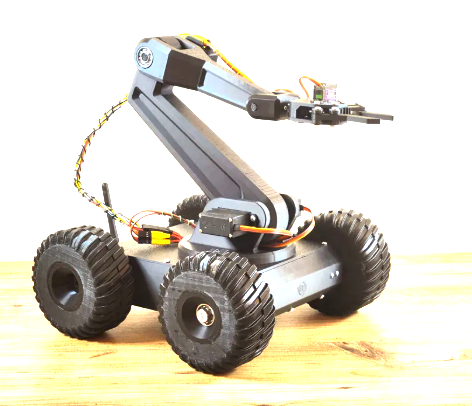
![A four-wheeled robot with a robotic arm extending forward, placed on a wooden surface.]()
RC Rover with Robot Arm 6 DOF by Emre Kalem